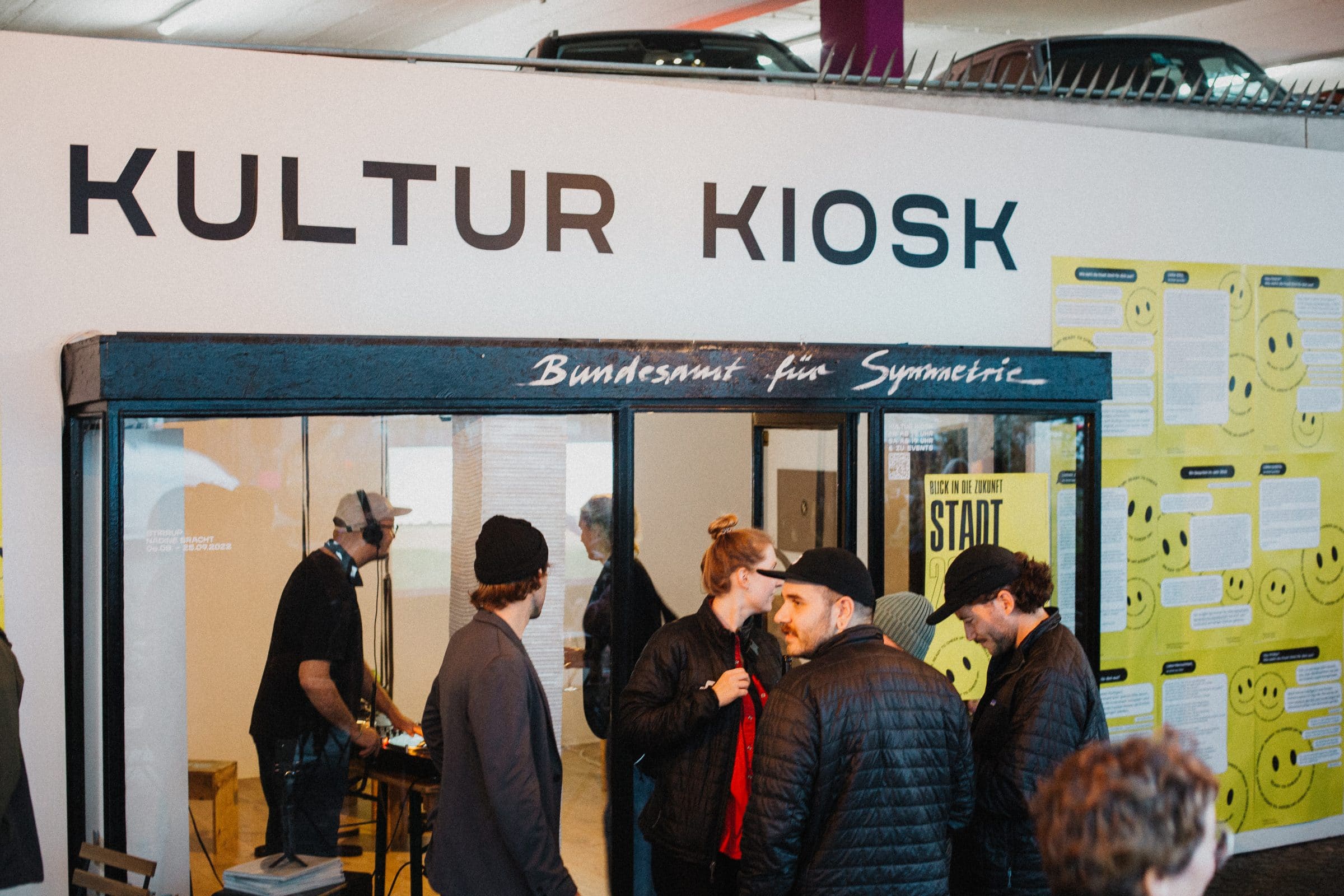
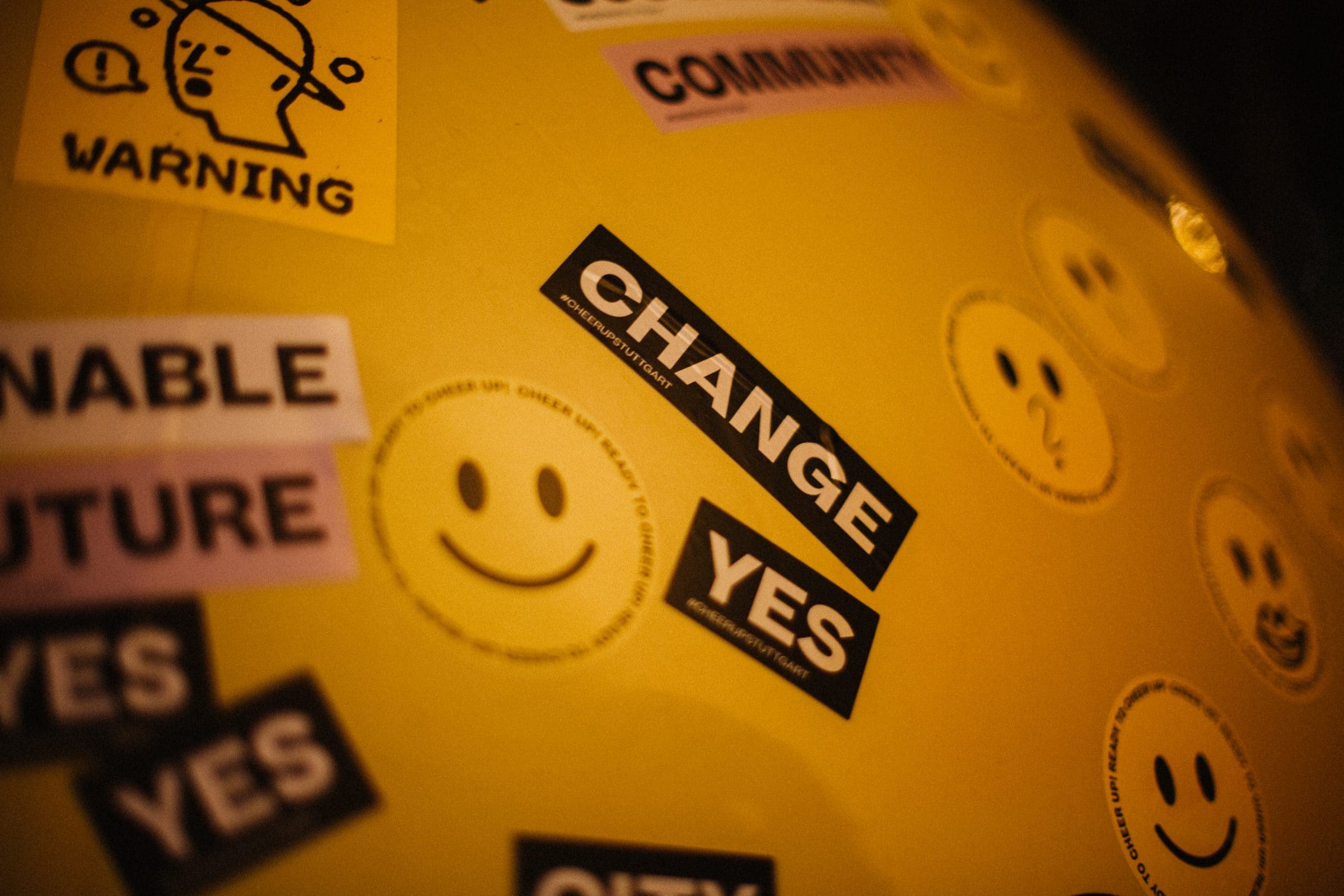
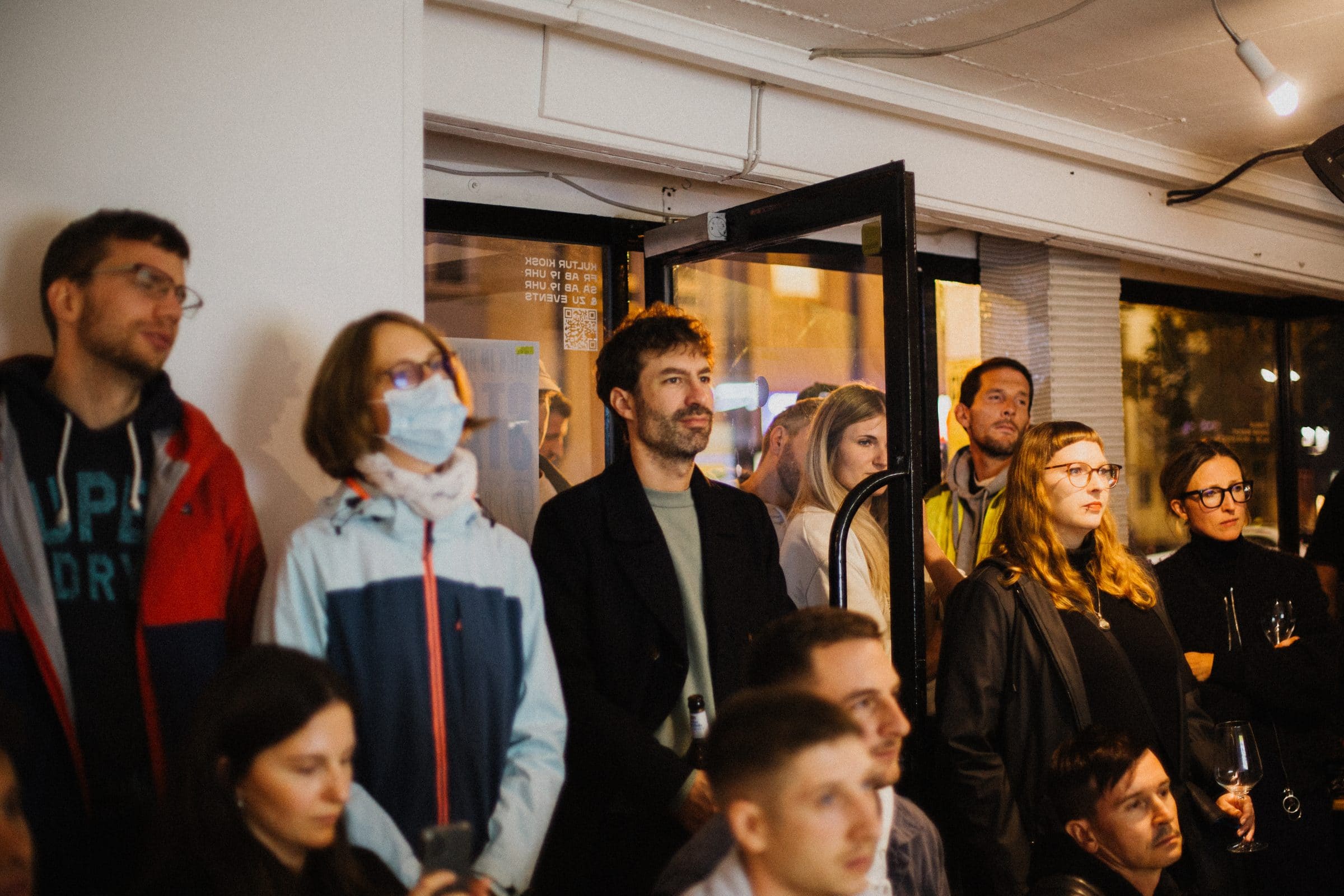

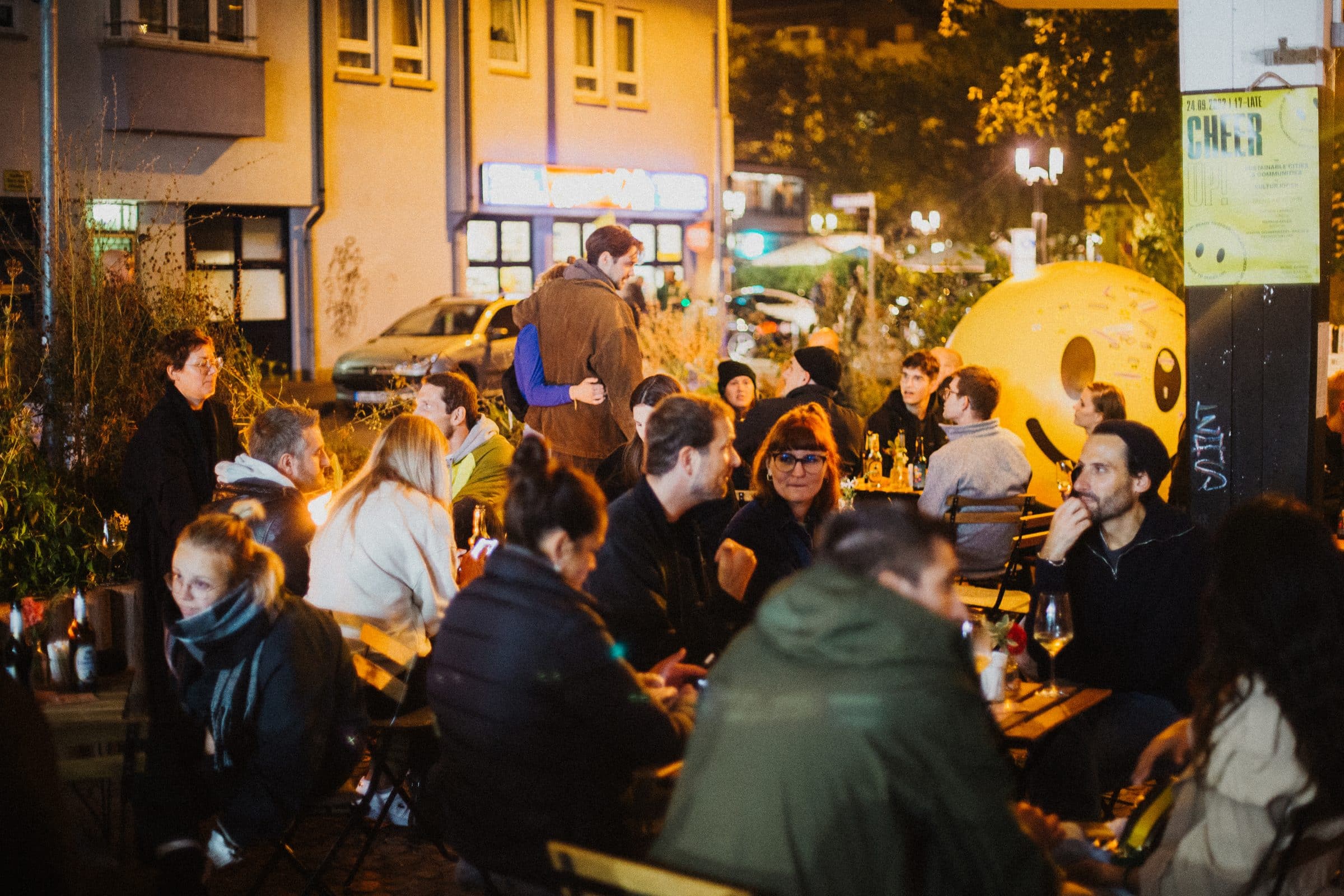
We were delighted to take part in this forward-looking event in Stuttgart city centre and to bring you closer to the topic of “Sustainable Cities & Communities”.
Among other things, we asked how cities — or neighbourhoods — and their communities can stay viable, and therefore fit for the future, through thinking beyond their own boundaries. Adaptability emerges as the most important skill here: those who master it already make familiar, rigid structures look positively antiquated. Across a range of panels we tried to find answers together, discuss possible solutions and take an active part in shaping the cities of tomorrow.
Alongside African soul food by Patacon Obi, hot beats from Michele Ferrazzano and delicious drinks from the Kultur Kiosk, three forward-looking talks enriched an evening held entirely under the banner of sustainability.
One of the speakers was Markus Adler of Code Gaia (formerly Spenoki), who took us forward to the year 2040. With Code Gaia, Markus supports companies on their path to sustainability.
What was the most important thing we took from Markus's talk?
1 The probability of us reaching our climate target of a maximum 1.5 degrees of global warming by 2030 is 5 per cent. So if we carry on as before, Germany will see an average summer temperature of 31.4 degrees. Many countries on this planet become uninhabitable at a temperature rise of that magnitude.
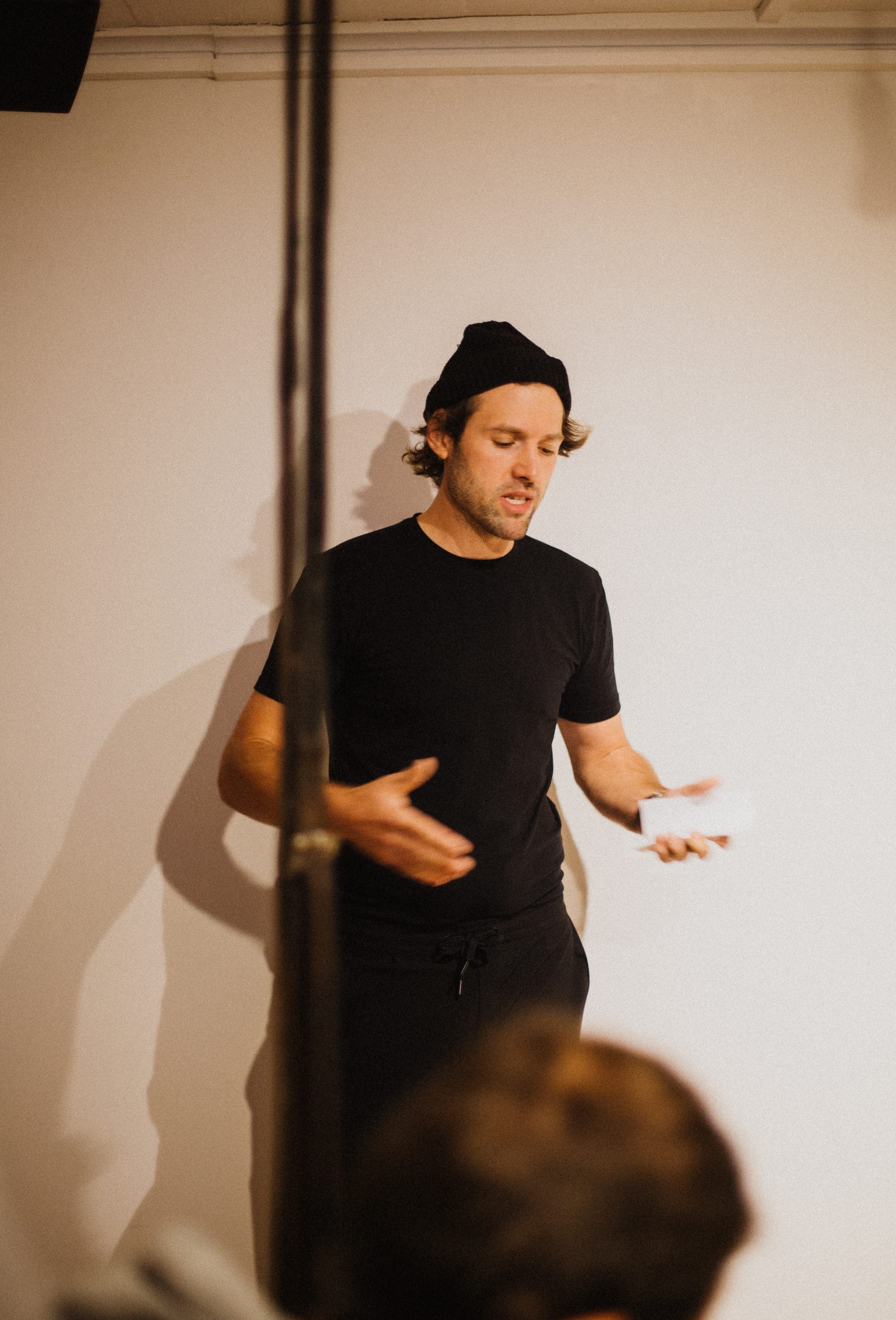
2 We ALL produce CO2 and we can ALL fundamentally change something. To do that we need to talk to one another more and be able to speak about our fears, because those fears are real — and so everyone sits in their own microcosm thinking about solutions, ideas and new approaches.
3 The most important values for change are scientific rigour, awareness, authenticity and responsibility.
Patrick Laprell of FOCUS Bikes gave a wonderful plea for a better future.
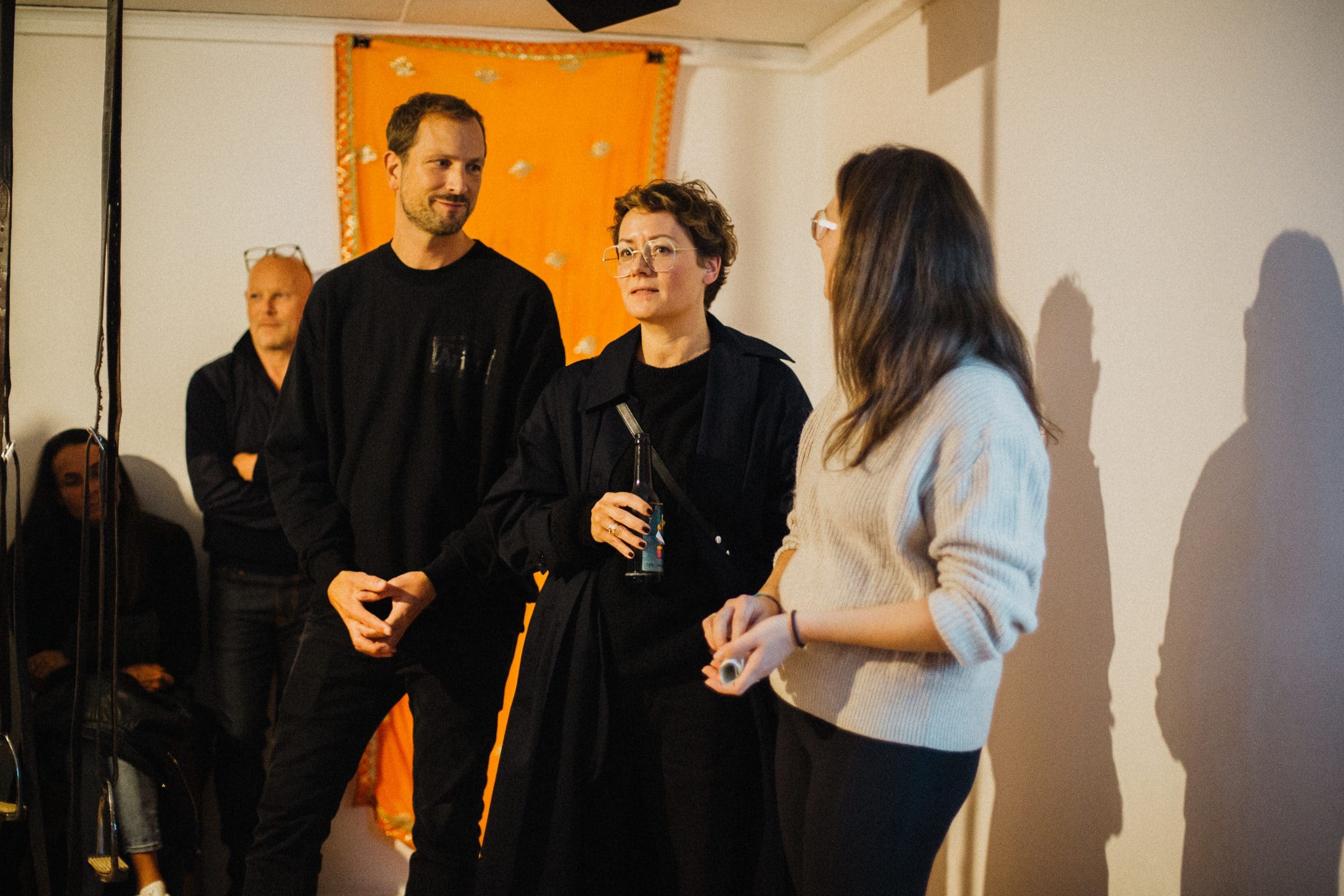
It was an invitation and a request at once: to break with learned patterns and reflect more on our existing mobility habits.
- Cycling not only reduces CO2 emissions, it also improves our wellbeing.
- Cycling connects people. And only through a strong community with shared visions can we counter the climate crisis.
- We should only drive when it is unavoidable, and learn to use the bike more often in everyday life.
- We should live by a sustainability calculation rather than a cost-benefit one. It isn't about getting everything done faster and more efficiently, but about doing things more sustainably.
- All of us have to change habits we have learned over decades.
- Every contribution, however small, adds up to something enormous.
Last but not least, two of our team, Marita Schwenkedel-Braun and Patrick Sieloff, introduced us to the world of future community stores.
More on that soon 😉
THANK YOU to everyone for a great, important, honest, at times alarming and, not least, eye-opening evening!